IN CAVE OF HUILA
---
WAY TO THE CAVE OF SAN ADOLFO HUILA Guácharo
SENT BY YOLANDA QUINTERO ARTUNDUAGA

SENT BY YOLANDA QUINTERO ARTUNDUAGA
National Park, Cave of Acevedo in Huila
Guácharos
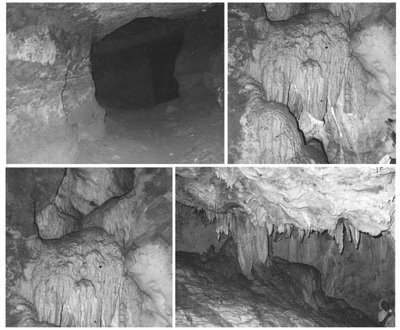
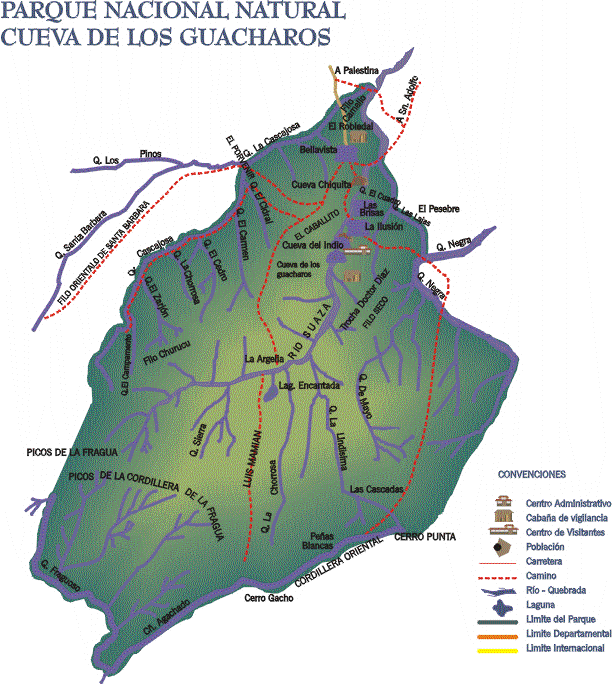
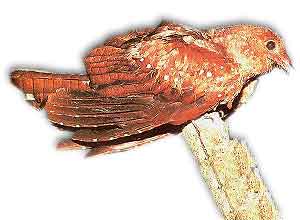
The Cave PNN Guacharos, declared a Biosphere Reserve by UNESCO in 1980, is an enclave of Andean forest in the southeastern department of Huila on the western mountains, one of the last remnants of virgin forest in the south of the department. He was the first declared National Park in order to maintain a set of caves of great geological and fauna. They inhabit the guácharo, a nocturnal bird that gave its name to the caves.
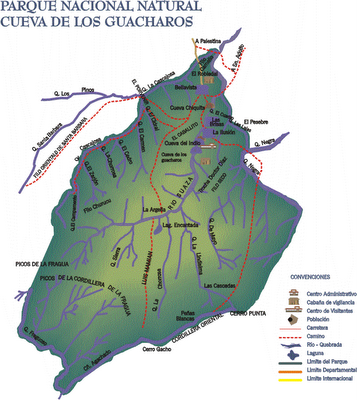
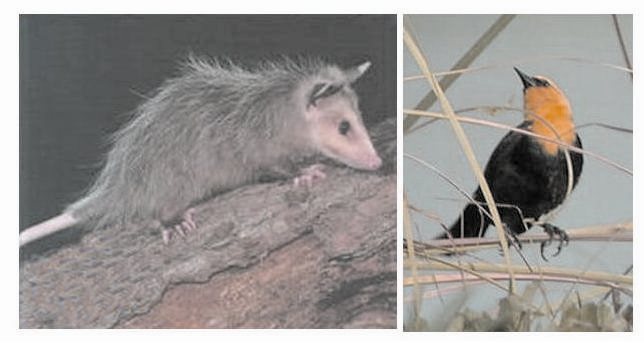
Among the most spectacular and beautiful attractions of this park are precisely guácharos caves. By entering these geological formations, the deafening noise of the flapping of thousands of birds breaking the stillness of the interior of the earth. But guacharos are not the only inhabitants of these forests, with them a myriad of species of fauna make this place a sanctuary for biodiversity. Monkeys, rodents, deer, bears, foxes, wild cats, tigers and pumas, among many as 267 species of birds that ply the skies of the park live here.
ecotourism activity for the PNN is long camping and hiking tours in different areas as the Oak Grove, the Mirador, the Quebrada Cristales, the natural bridge over the river Suaza, the plant association the manger, Indian Caves, del Hoyo and Guácharos. It has a visitor center with capacity for 38 people, including restaurant and environmental classroom, but has a camping area for tents May 6 medium provided with health services.
To visit the Cave of the Guácharos PNN, it is necessary to contact and seek the support of the leaders and officials of the protected area of \u200b\u200bthe park offices in Neiva or in the Territorial in Popayan.
AREA: 9,000 hectares
LOCATION: western slopes of the Cordillera Oriental in the municipality of Acevedo in Huila Department.
ACCESS: From Neiva to Pitalito (3 hours), Pitalito Palestine (1 hour), from there drive to the rural school in the village of La Mensura (1 / 2 hour). You can hire a guide and mules to carry the load and not lose our way. There is a walk of two hours and by a three hour trip to the Visitors Center Andaqui. From there to the cave about 15 minutes.
From Popayán to Pitalito (6 hours), Pitalito Palestine (1 hour), from there you drive to school rural village of La Mensura (1 / 2 hour). You can hire a guide and mules to carry the load and not lose our way. There is a walk of two hours to the hut the gravel and finally a three hour trip to the Visitors Center Andaqui. From there to the cave about 15 minutes.
From Neiva to Acevedo (3 hours), San Adolfo Acevedo (1 ½ hours), San Adolfo to the school of Villa Fatima Trail (½ hour), Villa Fatima School Center Visitors Andaqui (4 hours). From there to the cave about 15 minutes.
AVERAGE TEMPERATURE: 15 to 20 degrees Celsius
Recommendations:
Park temperatures are average (15 to 20 C ° on average), therefore it is recommended to ecotourists bring warm clothing for evenings and light for walking, rubber boots, rain gear, camping gear, insect repellent and high-energy food. It is also necessary to have the required immunizations for the tropical forest. Embrace the recommendations given by the National Parks Unit at the time making your reservation. --------
Story published in the literary pages of the newspaper "El Siglo" of Bogota in its edition of October 13, 1945 and taken from the book of Gilberto Vargas Motta: Acevedo Historical Monograph:
THE CAVE OF THE Guácharo
Acevedo is one of the most picturesque villages of Huila, located on the left bank Suaza river is agricultural center of the first rank as the best coffee produced mild department. North the municipality delay Suaza Valley Eclogue, emerald mantle and its four sides extend rich fields. As tourist destinations offers the Cave of the Guácharos and fractions of San Antonio and Llanitos we discovered last year (1944) recorded interesting Andaquíes widely reported that "The Century."
In order to take advantage of the short days of mid-year break, we decided to take a trip to the famous Cueva de los Guácharos, one of the natural beauty of Colombia. Integrate the procession, Father Theophilus Motta, Don Jesus Motta, students Ernesto Motta Vargas Franco Vargas Motta, Bernardo Betancourt and the writer. (Gilberto Vargas Motta)
Once made preparations for rigor, "stiff", blankets and weapons, set off to the thriving village of San Adolfo.
begin our journey and the abundance of content, and between farms covered with excellent pasture, we were in the realm of dignifying work. Riecito along the river of pure lymph, arrived after an hour and half trip to the house of Rosa Maria de Achury, where we were treated to plenty of milk. After this refreshment we continued the road half an hour after we entered the mountain centuries: giant cedars, majestic oaks and a thousand varieties of trees, the pride of Flora; vines that are lit, swing lianas, parasites of different colors and gorgeous blossoms. All, a spiritual gift. We started the ascent to a derivation of the Cordillera Oriental that stood between us and the Sauza, the road, path or trail "was exhausting and partially cut the old way of quinera exploitation of Don Lorenzo Cuellar, the temperature was down: 18 º, 16 º and 14 º C. at the summit. A rapid decline and reached the banks of the edge Suaza noon, after lunch the "stiff" and we stand by the foothills between the rough battle of the beasts and the constant expectation. At 3 pm ship the horses to a nearby pasture, under the care of "the Goth". We had to continue on foot: the wit and laughter on her lips did until the end of the day. Falls, dangerous and jokes slipped everywhere were the alternatives of walking.
With four in the afternoon we arrived at the estate of Jose Hilario Figueroa, brave settler begins to reap the fruits of their labor. We got there the most frank and cordial reception. We recorded a temperature of 16 º C. and dry environment, a bathroom and a shooting exercise while occupied us until nightfall.
The next day we set off at 5 am How we longed for the day! At last we would see the renowned cave and we would account for our eyes to the wonders that have been said about it. After an hour and a half to walk through the untouched mountain which we name "Small Cave." A large rocky eminence into view, out of his heart flows the river Suaza impetuous, and a narrow opening your bowels open land in the eyes eager to learn their secrets. It enters a narrow corridor that expands as you enter it. With enough lights we entered the maze, on both sides opened up new paths, walkways and colonnades strangers of different and extravagant architectural order. After moving about 20 meters knew the cause of the powerful thundering noise space: Suaza river lay before us at a depth of 35 meters on his bed of igneous rocks, which Prometheus writhing Indian. Foams waters rose to the top and the surrounding rocks were decorated with more different shades. There we saw the first nests of guácharos, round and made of clay. We also appreciate different fossils of which we took some samples. After an hour of riding we surfaced. A hectometer
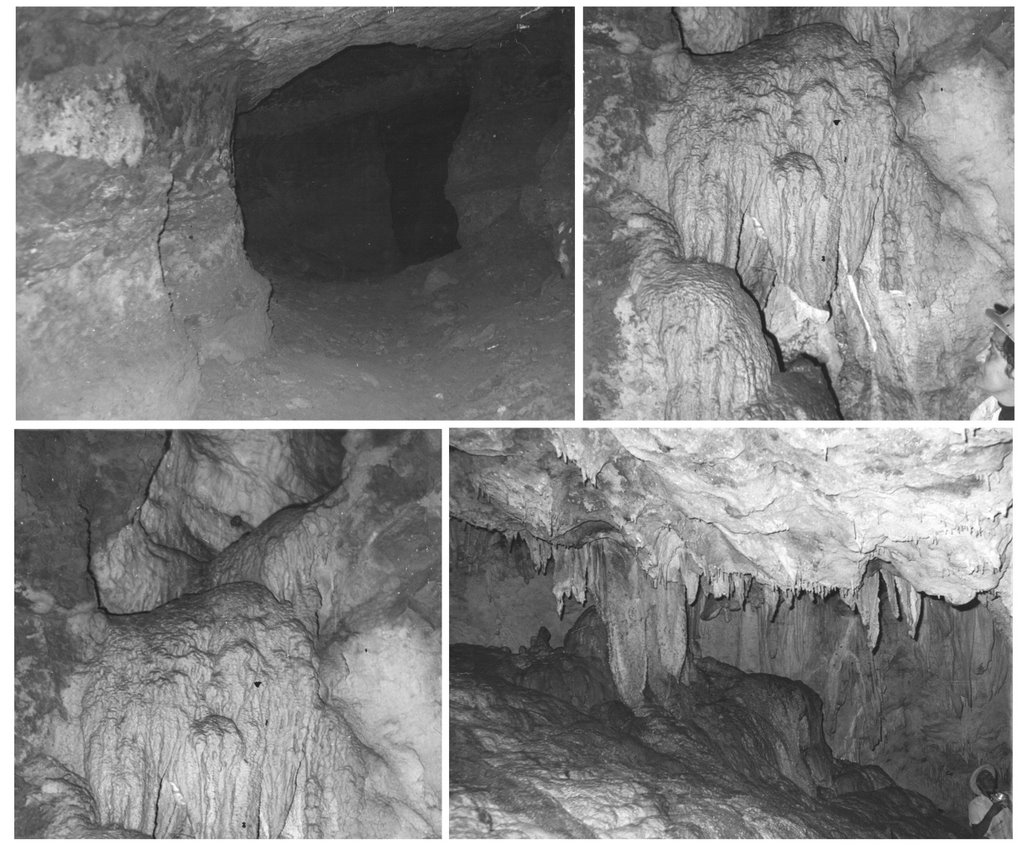
about Little Cave is in a southerly direction, which we call "Stalactite Cave." Symmetrical wide front, walls of volcanic and not very deep, this cave has the particularity to delight the eye with innumerable stalactites that resemble Gothic cathedrals reversed. The needles that decompose adorn the light and give the illusion of iridescent pearls of singular charm. Also find examples of fossil shells and primitive plants. At nine o'clock we left the cave of oriental fantasy.
Towards the properly called Cueva de los Guácharos continue the march, at nine and three quarters we came to the house of Juan Casas, settler Boyacá, where we were treated to their attention. Temperature 18 º C. Walking through pastures, planted fields and mountains we arrived at the Cueva de los Guácharos to quarter past eleven am in front of us there was a huge rock up to 60 meters high, on your left side, the "cave of the stiff" or cave south. Fearsome noises out of the dark hole, gasps, precipitous waters, the thrill of the sublime and the demented imagination. We recorded a thermal environment of 19 º C. and decided to introduce the "cave of stiff" deep narrow passage sometimes adorned with beautiful colonnades and lateral arches where new roads were. Move about 200 meters covered by sufficient lighting, take new samples of fossils and return to the starting point by recalling the tradition tells us that this cave is extended to Cerro Punta and Villalobos. As soon as we left we took on the task of honoring our luncheon typically Huila.
And as we bite our hearts a desire to penetrate the main purpose of our trip, we entered the cave, the Roman cover 12 meters high by 20 wide to walk along a wide hall with a series of balconies on either side . Soon we had to use lights and we are facing the river Suaza that titanic twisting his current momentum, toured the Cave in an area of \u200b\u200b300 meters. On the river at a height of 50 meters has wonderful a circular ceiling about 20 feet in diameter decorated with different shades that can be seen only with rockets. We spent river towards the SE. and went to a new room all covered with guano, hence, towards S., offered it a new passage which leave many different sizes and shapes, and all over the thunderous din of elegant guácharos flight. In this room is reached after traveling about 60 meters, the "pulpit" or extension in the form of stone stands on the riverbed Suaza and overlooks the magnificent south doorway, the entry point of the River. This cover colossal grandeur is no dream, first offered to the admiration of a rocky portelón of gigantic proportions and then an arc of about 10 m long. There die words! of the pulpit can go into the stands, rocky extension of 0.40 mts. wide where you can see the course of Suaza to 30 feet deep and the magnificent ceiling of different colors. At this point Betancourt had the great idea to turn off the lights, the deep and fearful darkness filled the cave, according to the guide, there was not to talk. retraced the road, go over the river and through a rustic ladder, climbed to the second floor of the cave, "Cave Tigre," described by Hermann von Waldegg Walde (The National Geographic Magazzine, number 5 of volume 77 May 1940) in the fictional article about his visit to South Huila. Same as above, this cave has a long hallway with successive taps to give a splendid room ceiling 80 meters long without any support, a true miracle of natural architecture. New fossils and a record of the temperature that gave us a measure of 12 º C. inside the cave. In the spirit overwhelmed by such a beautiful place we went to the door. It was two and a half and we walked the labyrinth for two full hours. Our silence was the best measure of sensations received. The known part of the "Cave of the Guácharos" covers an area about six hectares and is without doubt one of the tourist attractions most notable of the republic, if not the greatest.
The guácharo, a bird that has been named to the cave, is the Steatornis caripensis, nightjars family, order of macroquias. It is a chestnut brown bird, large-scale, feeding the fruit of the palm of milpesos bringing its night flights to the region of Caqueta. To our news, the first scientist who spoke of this animal was the German scientist Baron von Humboldt in his visit in 1796 to the Cave of the Valley Guácharos Caripe, Maturin, Venezuela, later visited by Colonel Augustine Codazzi in 1873. collect fossils that have been identified as brachiopod species and Rhinchonella Bouchardi Spirifer Orbiguina, suggesting that this cave belongs to the Paleozoic Era, terrain Cambrian or Devonian type. The visit of experts in the field will give the last word on the subject. The above description we had to publish in the literary pages of The Century "in Bogota in its edition of October 13, 1945. Today, reproduced as an appendix to our study because some concepts revalued Walde-Waldegg anthropologist and have not been rectified.

 At 20 years old in 1964, he founded the first meeting of the Community Action Acevedo (Huila).
 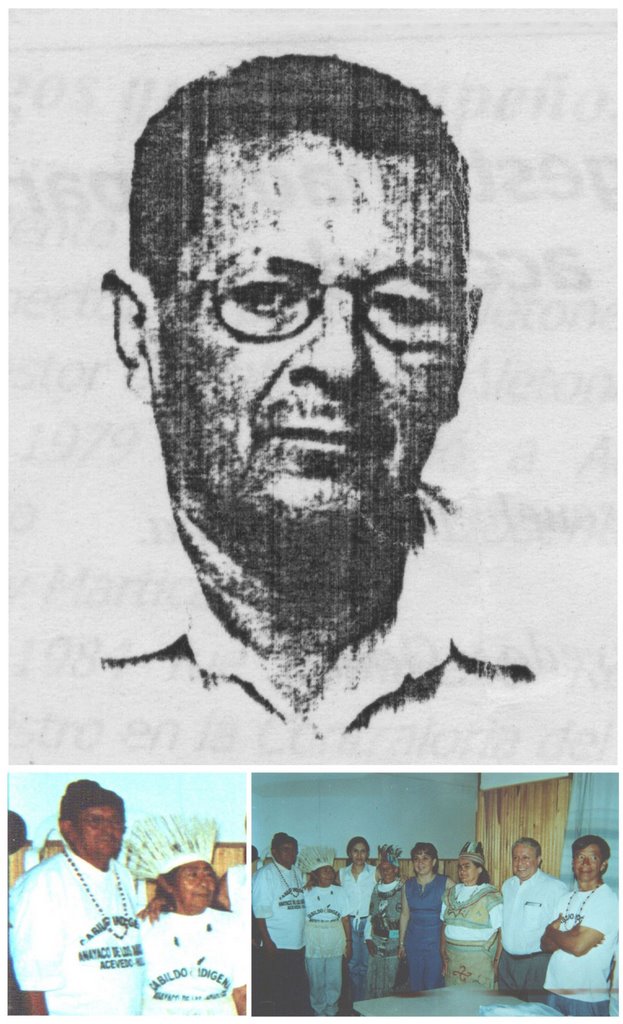 At 20 years old in 1964, he founded the first meeting of the Community Action Acevedo (Huila).


 PICTURES OF A TOUR IN JUNE 1982


 in captivity without ever being tired, looking
  But a calm night, silent

 garrulous, gossipy,